Skip to main content Skip to search Skip to main navigation

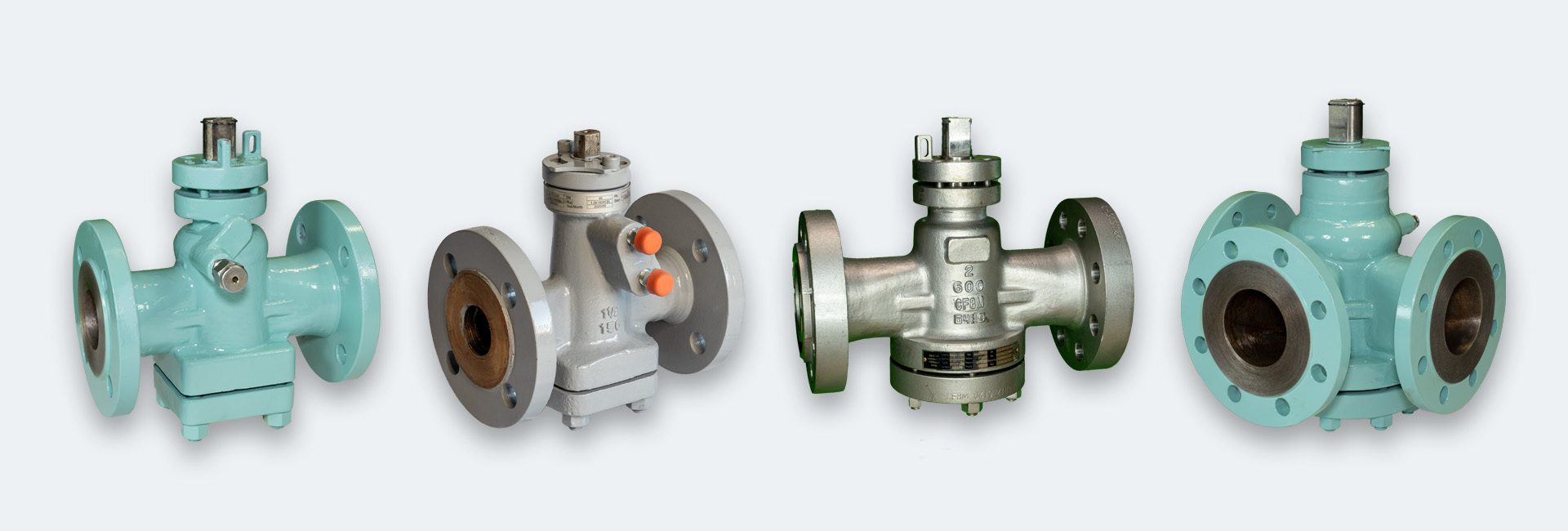
KÄHLER Plug Valves


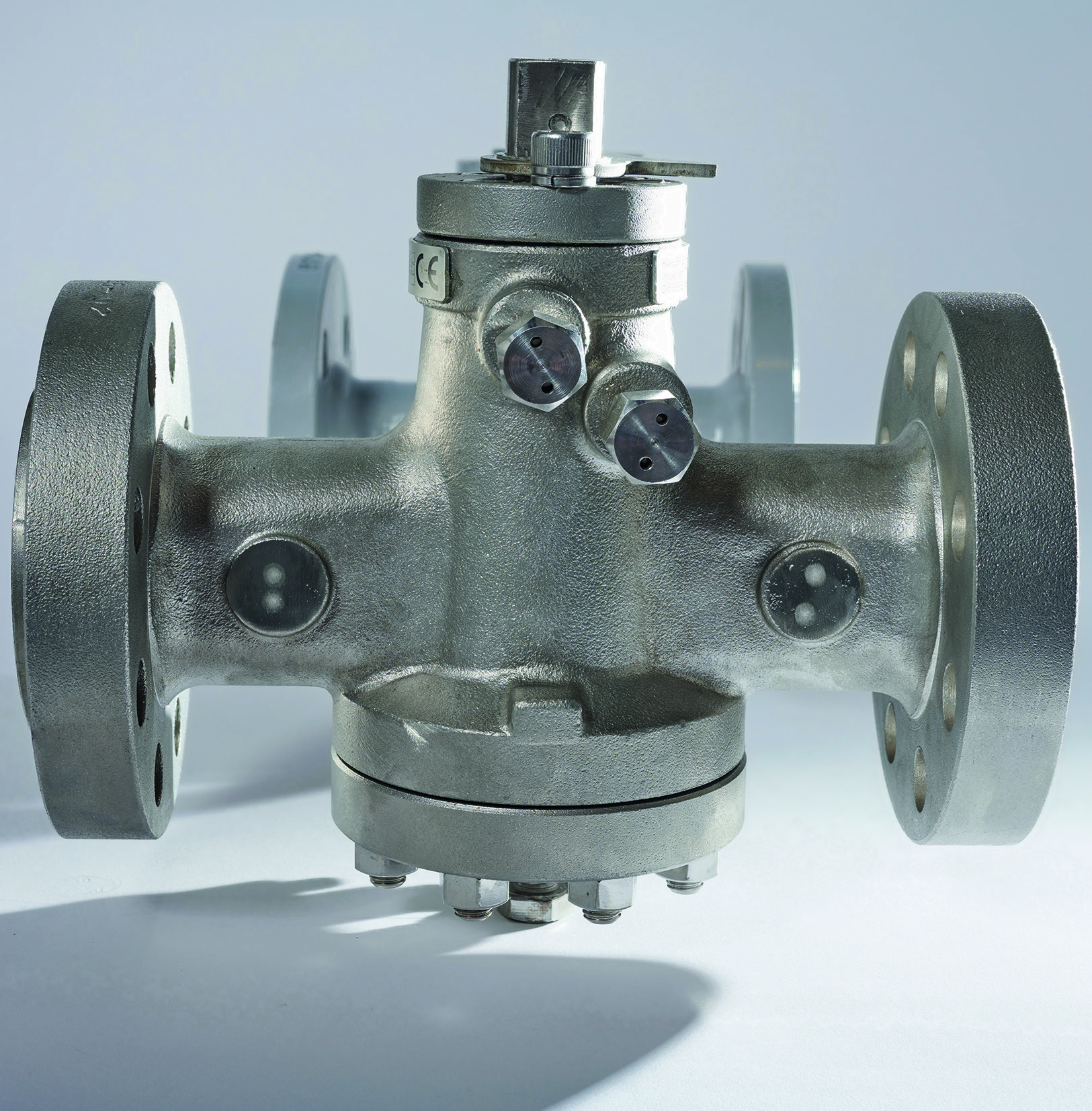
The KÄHLER plug valve was designed for systems in which special media place high demands on tightness and resistance to wear and corrosion
and is the perfect solution for precisely shutting-off the flow of fluids and gases in pipework systems, especially in critical applications.

The shut-off valve is characterised by its dead-space-free, robust design, its high physiological safety and its reliability.
KÄHLER plug valves can be safely resealed from the outside at any time during operation.
This unique selling point among the various types of valves is an important element within the design of the valve
and fulfils its function of perfect sealing both internally (in all flow directions) and externally in an amazingly safe and durable manner
and contributes to an almost unlimited service life of the valve.

KÄHLER plug valves are mainly developed in-house.
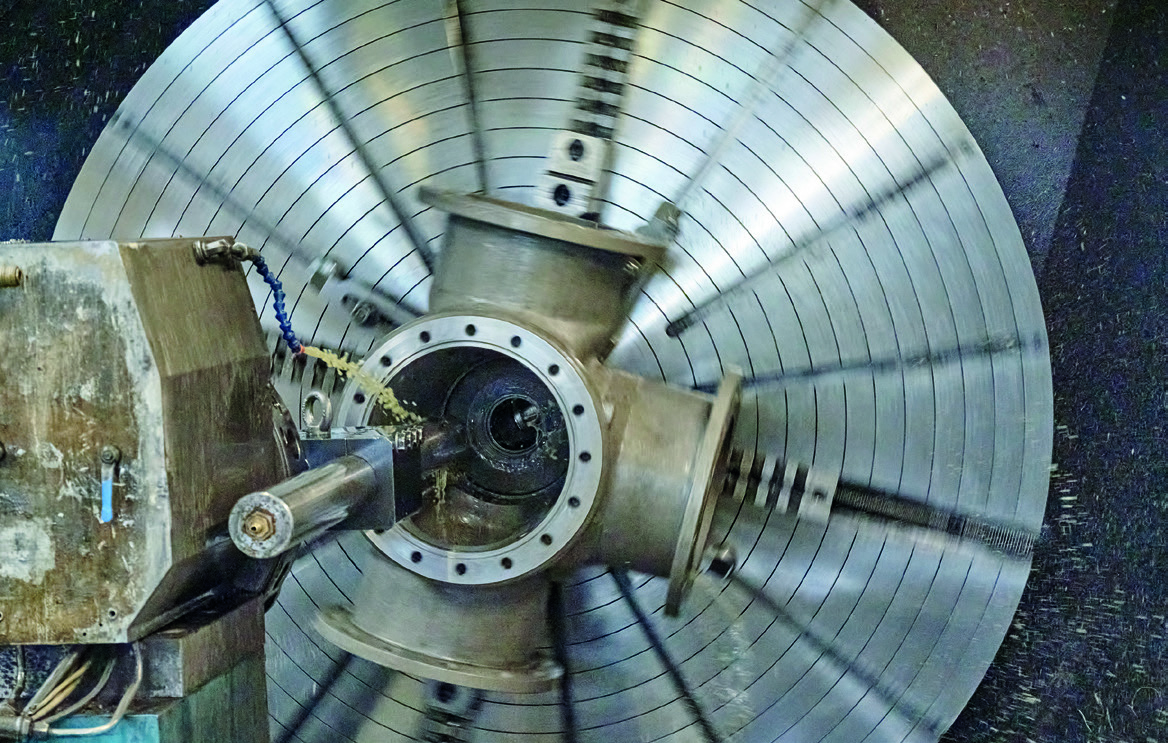
From planning to production to delivery, they are subject to strict quality control by our qualified team.
We offer more than 100 different variants, covering a wide range of materials and designs.
If required, we are able to develop customised special solutions that are tailored to the specific requirements of our customers,
and thus ensure that you receive the optimum solution for every application.
Compared to other manufacturers, KÄHLER plug valves also impress with attractive delivery times,
an excellent price-performance ratio with the highest quality standards and a reliable after-sales service.

Our plug valves are used in a wide range of applications,
including district heating and cooling supply, industrial and plant engineering, apparatus and pipework construction, the cement industry, chemicals and petrochemicals.
They are particularly suitable for systems where reliability and efficiency are of paramount importance.

Applications KÄHLER plug valve

  • constructed for many different applications in heating, cooling, oil or gas systems, particularly suitable for difficult applications in industry, the cement industry, chemicals or petrochemicals as well as for systems with long service lives
  • suitable for all non-aggressive media, such as district heating or cooling water, oil, compressed air, high pressure and gas as well as various chemicals
  • especially suitable for media containing solids, abrasive or crystalline bodies
  • operating conditions according to data sheet

Construction KÄHLER plug valve

  • robust body made of cast iron, steel, stainless steel
  • straight-lined, compact design even with large nominal sizes
  • adjustable conical or cylindrical plug made of cast iron, steel, stainless steel, duplex, titanium, Hastelloy with precise, dead space-free fit in the valve body (coating possible)
  • one-piece or decoupled design of plug and spindle (depending on model)
  • constant film of sealant between body and cylinder that can be re-pressurised via integrated sealant screw
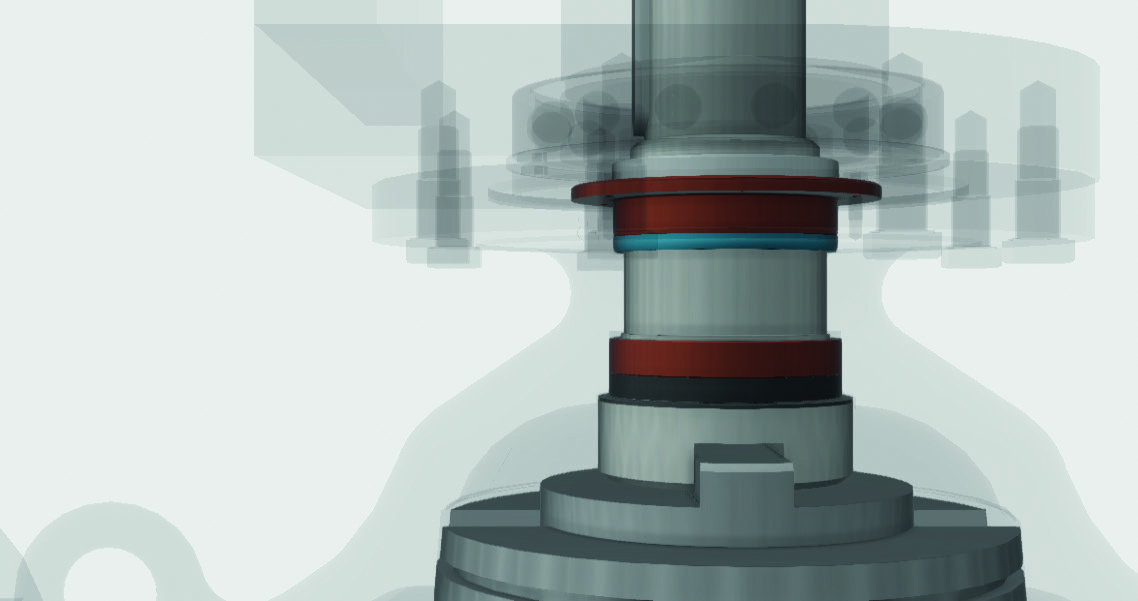
  • Stem sealing with maintenance-free, glandless O-ring made of Perbunan or PTFE with stainless steel spring or O-ring + graphite
  • 90-degree operation with open/close stop using a star spanner (up to DN150), worm gear, electric, pneumatic or hydraulic driv
  • double block and bleed function for critical media (depending on model)

Versions KÄHLER plug valve

  • Nominal sizes:
    DN15-900
  • Pressure ratings:
    PN6-420
  • Connection types:
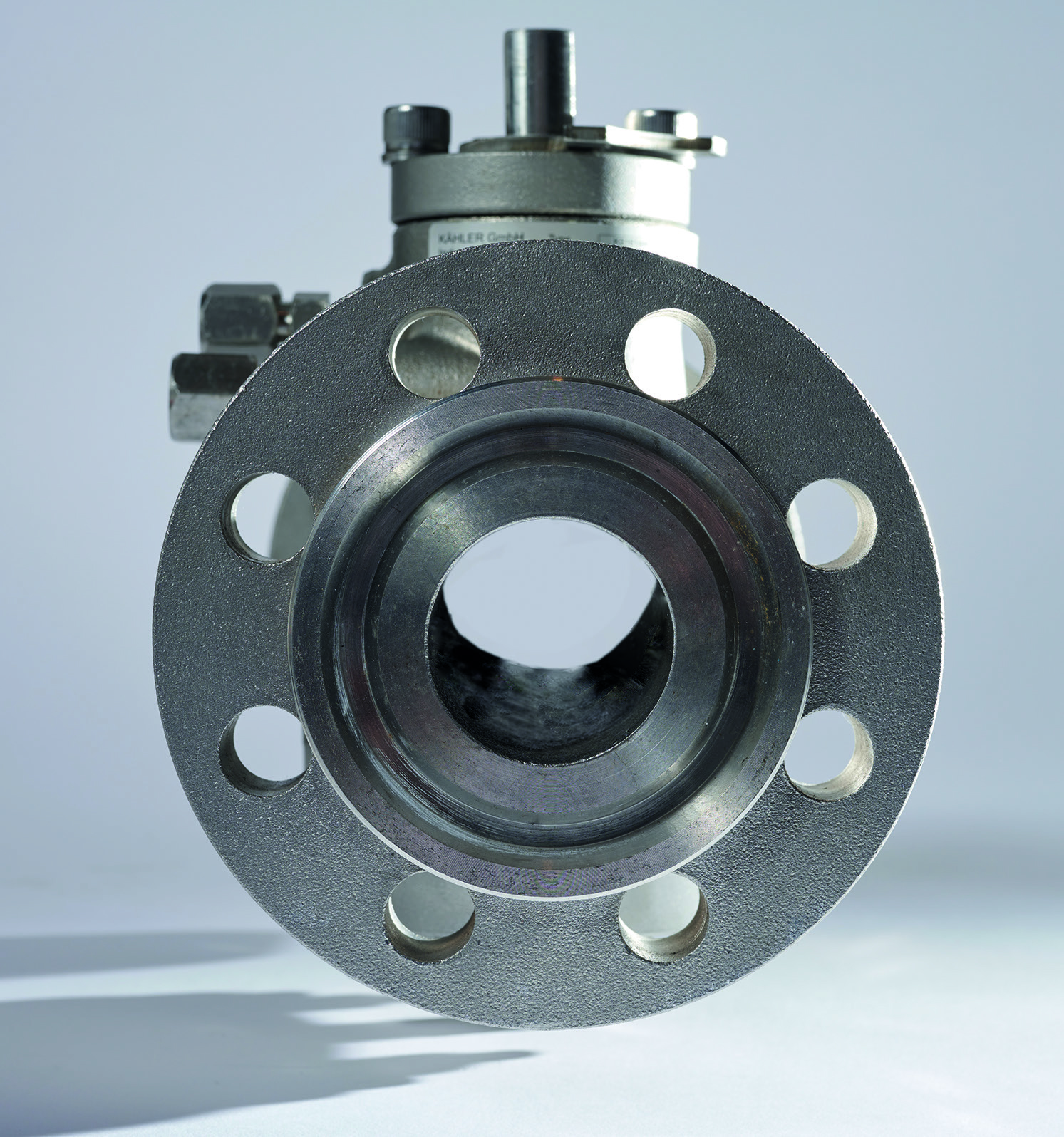
    flange, thread or welding ends
  • Bore types:
    full rectangular bore or reduced rectangular bore,
    full round bore for special applications
  • Operation:
    optionally available with hand lever, manual gear, pneumatic, electric or hydraulic drive
  • Special solutions:
    special customer-oriented solutions on request

Features KÄHLER plug valves

Robust, compact construction of high-quality materials

  • made from high-quality European materials following highest quality standards
  • uncomplicated, straightforward, compact construction
  • space-saving design even with large nominal widths
  • high user and environmental friendliness
  • high energy efficiency
  • robust and reliable even at high pressure and temperatures up to +250°C
  • precisely fitting, dead space-free design of housing and shut-off body
  • free of dead space in open and closed position
  • particularly resistant to media containing solids, abrasive or crystalline bodies
  • resistant to wear and corrosion
  • above-average service life
KÄHLER Kükenhahn Front
KÄHLER Kükenhahn Flansch

Easy installation and application, good insulating properties

  • safe, quick and easy to install
  • freely selectable installation position
  • undemanding behaviour in use
  • excellent flow values and extremely low pressure losses, even with standard models with rectangular bore
  • complete bi-directional tightness
  • robust, wear-free sealing rings with a long service life
  • landless
  • flexible and easily rotatable seat in the housing
  • impeccable switching even after very long downtimes
  • 90-degree actuation with open/close stop and clear position indicator
  • no seizing of the cylinder possible
  • piggable (depending on model)
  • good and cost-effective insulation
  • easy maintenance and repair

Systematic resealing - as unique as effective

  • virtually unlimited service life thanks to the system's ability to be re-sealed by injecting sealant via an integrated sealant screw
  • perfect sealing inwards (in all flow directions) and outwards
  • corrosion- and wear-free sealing surfaces
  • insensitive to foreign bodies
  • no contact between metal and metal
KÄHLER Kükenhahn Instandsetzung
KÄHLER Kükenhahn Engineering

Engineering on top

  • planning and production from our own development
  • close monitoring of production through to delivery
  • continuous, strict quality controls

Reliable after-sales service

  • reliable customer support over the entire service life
  • expert advice on extensions and modifications to existing industrial valves
  • high-quality repair service in the unlikely event of functional problems
  • qualified monitoring of the general overhaul
KÄHLER Kükenhahn Spindel

This might also interest you:

PR Plug Valves
PR Plug Valves
Fully Welded Ball Valves
Kähler Product Portfolio

Kükenhahn oder Kugelhahn: Vergleich und Auswahlhilfe. Dichtprinzip, Wartung und Druckverlust der beiden Bauarten im direkten Vergleich.

Give us a call or send us an email
Phone +49 (2174) 7848 - 0 | Email: info@kaehler-armaturen.de | Arrange a consultation

Our products in the category „Kähler Plug Valves“

The following products are available in our online shop. Further sizes and versions on request.
Filter products

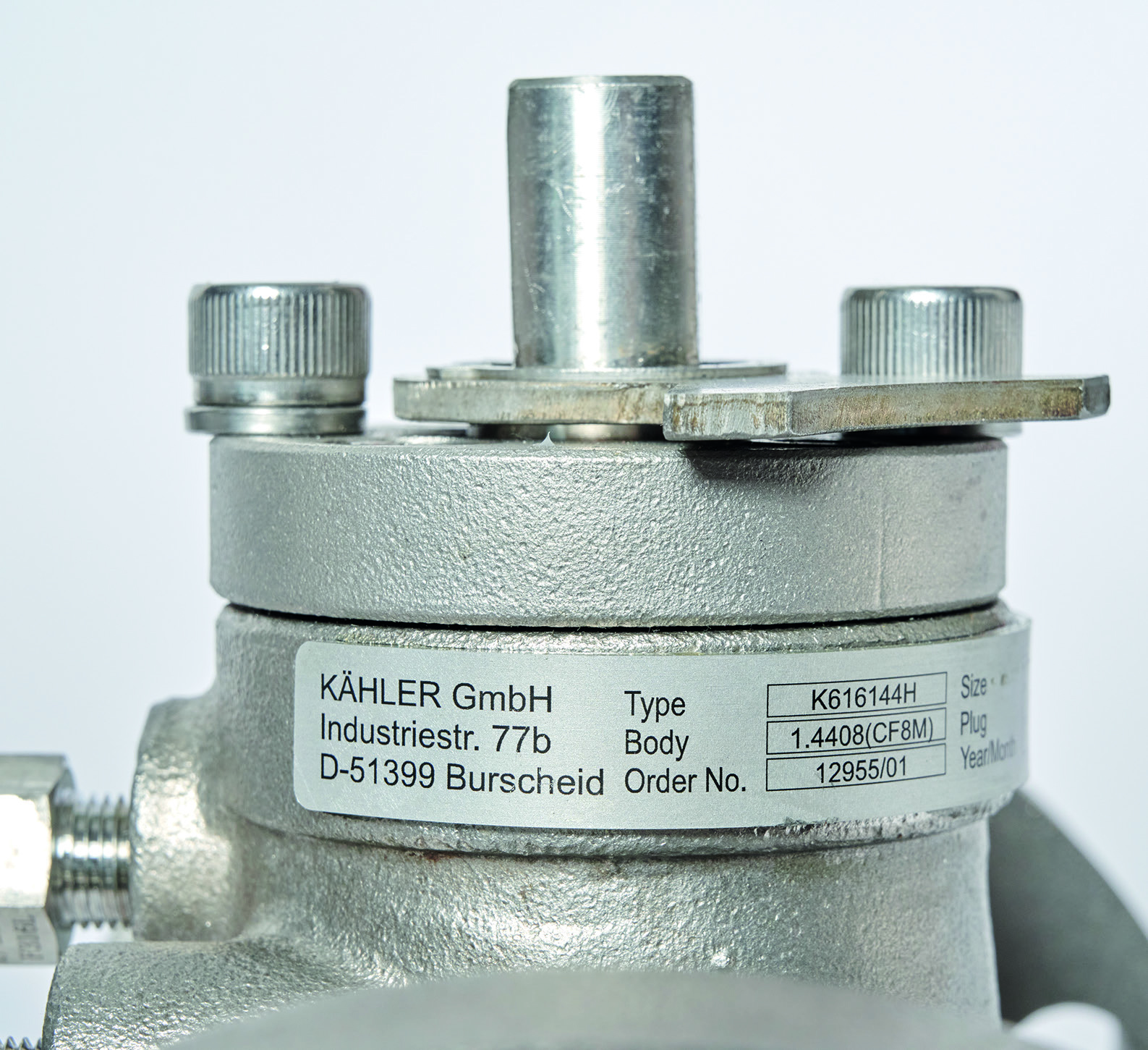
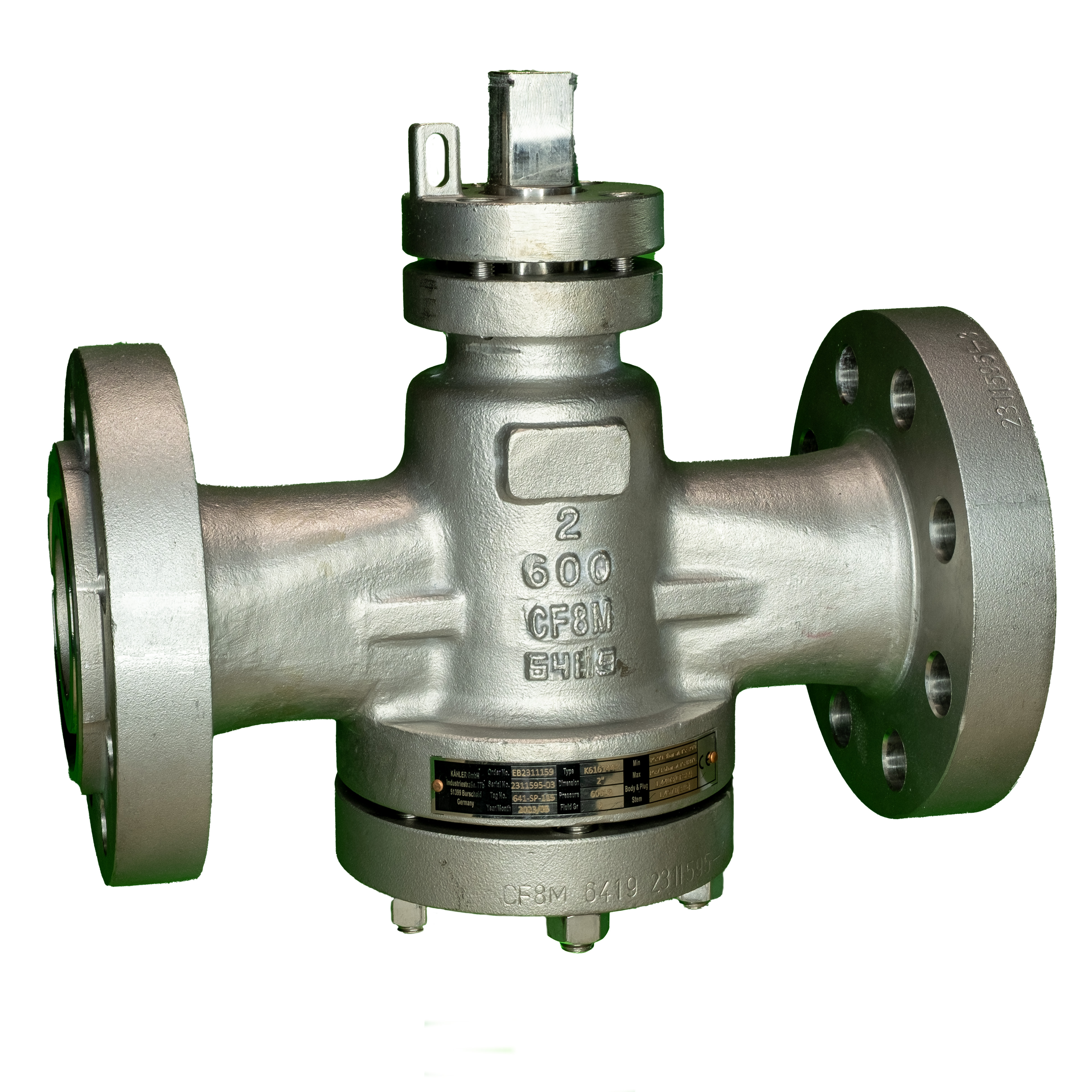
K616144H 2" (DN50) class 600 R.T.J
KÄHLER Plug valve lubricated Pressure class 600 lbs Regular Pattern Straightway rectangular bore Flanges RTJ acc. to ASME B16.5 Flanges incl. protective caps acc. to DIN EN 12351 Face-to-face length acc. to ASME B16.10 Body EN 1.4408 (ASTM A351 CF8M) Plug EN 1.4408 (ASTM A351 CF8M) Plug PTFE coated Stem EN 1.4571 (ASTM A183 316) Lubrication screw head acc. to DIN EN 3404 M1 (Ø16mm) Pressure-temperature range acc. to ASME B16.34 incl. handle Stainless Steel parts unpainted
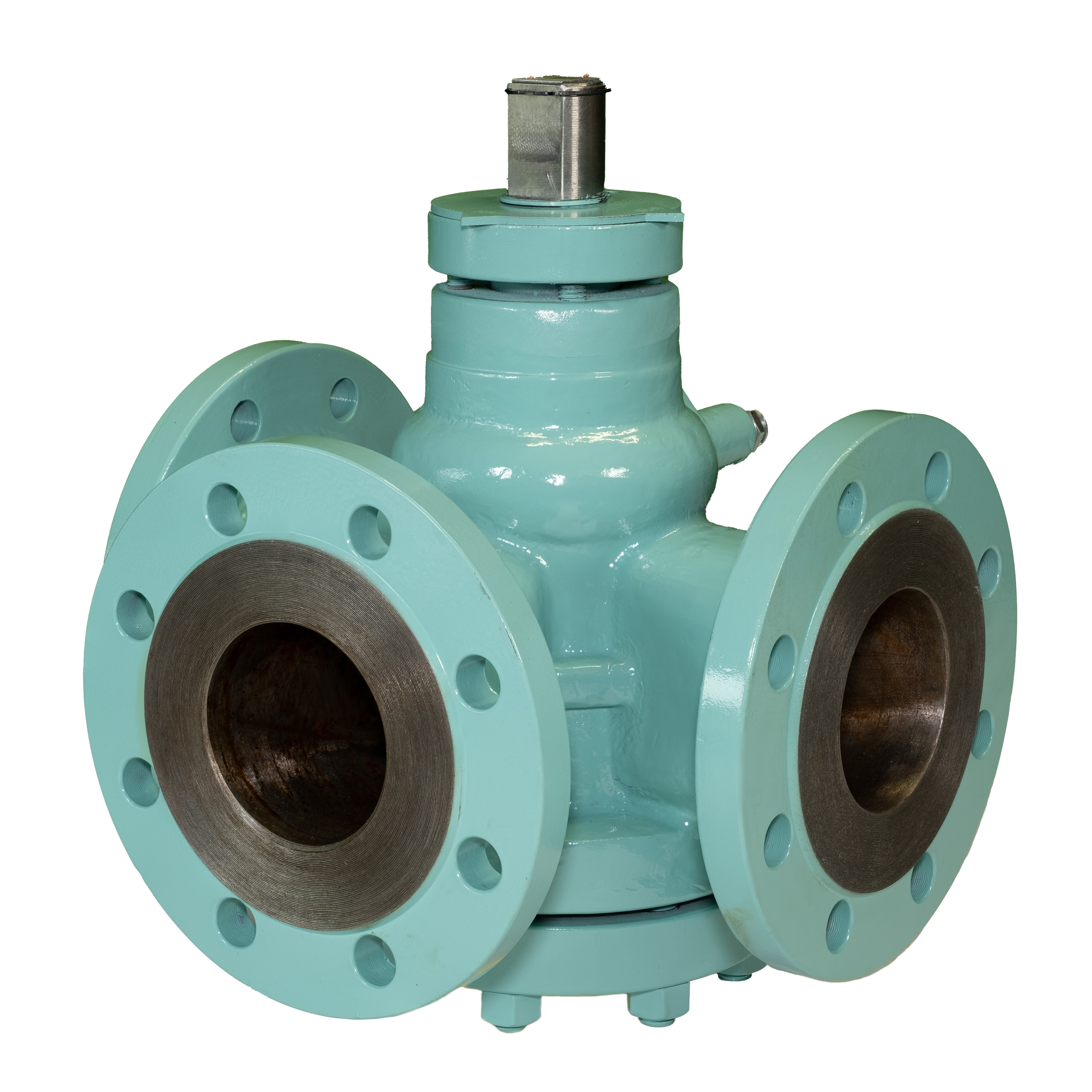
KÄHLER 3-way plug valve
KÄHLER plug valve, lubricated Type K1821XX PN16 DN50 - DN900 FTFl length according to EN558-1 series 1 with conical plug valve reduced T- bore flanges according to EN1092 Body cast steel EN 1.0619 (ASTM A216 WCB) Plug stainless steel EN 1.4006 (ASTM A217 CA15) +ENP Stem EN 1.4006 (ASTM A182 F6a) +ENP Standard sealant 161 Application range up to 160°C Actuation via hand lever or ISO mounting flange
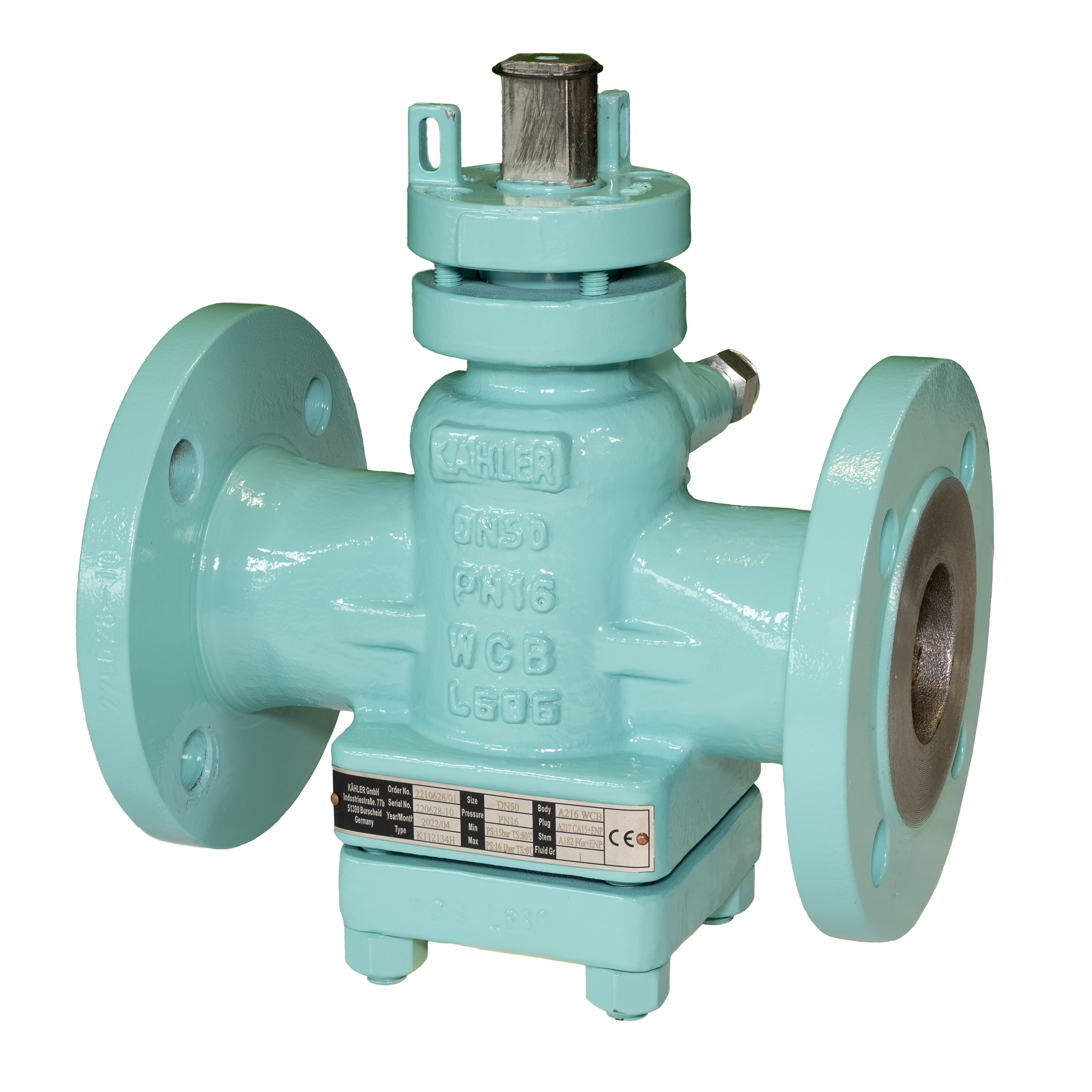
KÄHLER plug valve
KÄHLER plug valve
KÄHLER plug valve, lubricated Type K11213XX PN16 DN20 - DN900 FTFl length according to EN558-1 series 1 with conical plug valve Rectangular reduced bore flanges according to EN1092 Body cast steel EN 1.0619 (ASTM A216 WCB) Plug stainless steel EN 1.4006 (ASTM A217 CA15) +ENP Stem EN 1.4006 (ASTM A182 F6a) +ENP Standard sealant 161 Application range up to 160°C Actuation via hand lever or ISO mounting flange
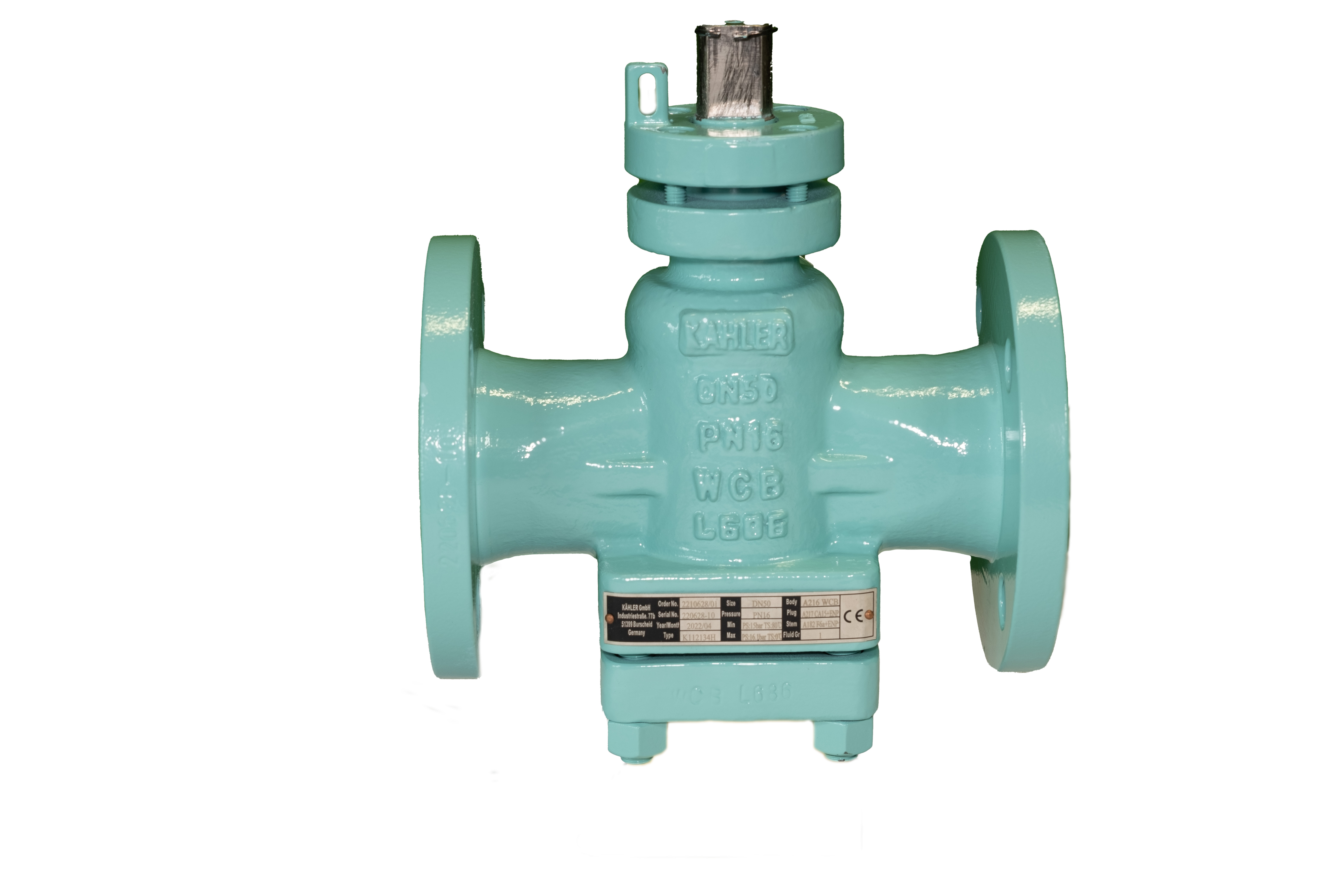
KÄHLER plug valve
KÄHLER plug valve
KÄHLER plug valve, lubricated Type K12213XX PN16 DN20 - DN900 FTFl length according to EN558-1 series 1 with conical plug valve Rectangular reduced bore flanges according to EN1092 Body cast steel EN 1.0619 (ASTM A216 WCB) Plug stainless steel EN 1.4006 (ASTM A217 CA15) +ENP Stem EN 1.4006 (ASTM A182 F6a) +ENP Standard sealant 161 Application range up to 160°C Actuation via hand lever or ISO mounting flange

FAQ - Häufig gestellte Fragen zu Kähler Kükenhähnen


Was zeichnet KÄHLER Kükenhähne aus?
KÄHLER Kükenhähne sind nachdichtbare, metallisch dichtende Kükenhähne aus eigener Entwicklung. Sie sind totraumfrei, stopfbuchslos, in beliebiger Einbaulage montierbar und bis +250 °C einsetzbar. Über eine integrierte Dichtmittelschraube lassen sie sich im laufenden Betrieb von außen nachdichten. KÄHLER bietet mehr als 100 Varianten in Guss, Stahl, Edelstahl, Duplex, Titan und Hastelloy an, mit Service und Instandsetzung über die gesamte Nutzungsdauer.
Wer entwickelt und fertigt die KÄHLER Kükenhähne?
KÄHLER entwickelt die Kükenhähne seit 2020 selbst. Das Team in Burscheid plant und konstruiert die Armaturen, gibt der Produktion klare Vorgaben, überwacht die Fertigung und prüft die Qualität bis zur Auslieferung. Dadurch kann KÄHLER Varianten und Sonderlösungen schnell anpassen und kennt jede Armatur bis ins Detail. Das zahlt sich später bei Ersatzteilen und Instandsetzung aus.
Welche Nennweiten, Druckstufen und Werkstoffe sind möglich?
KÄHLER Kükenhähne gibt es von DN15 bis DN900 in PN6 bis PN420 oder nach amerikanischer Norm in Class 150 bis 2500. Gehäuse bestehen aus Guss, Stahl oder Edelstahl, Küken aus Guss, Stahl, Edelstahl, Duplex, Titan oder Hastelloy, auf Wunsch vernickelt oder PTFE-beschichtet. Anschlüsse sind als Flansch, Gewinde oder Schweißende ausführbar. Neben 2-Wege-Hähnen sind 3- und 4-Wege-Ausführungen zum Umschalten und Verteilen lieferbar.
Welche Angaben braucht KÄHLER für die Auslegung eines Kükenhahns?
Für die Auswahl aus über 100 Varianten benötigt KÄHLER Medium, Betriebsdruck, Betriebstemperatur, Nennweite, Anschlussart, Schalthäufigkeit und die gewünschte Betätigung. Hilfreich sind außerdem Angaben zu Feststoffanteil, Einbaulage und geforderten Normen oder Zertifikaten. Auf dieser Basis legt KÄHLER Werkstoffe, Durchgangsform, Oberflächenbeschichtung und das passende Dichtmittel fest und erstellt das Angebot.
Welche Standard-Baureihen gibt es?
Beispiele aus dem Programm: Typ K112134 ist ein 2-Wege-Kükenhahn PN16 mit reduziertem Rechteckdurchgang, Typ K122134 die Variante mit vollem Durchgang. Beide haben ein Stahlgussgehäuse 1.0619 (WCB), ein vernickeltes Küken aus 1.4006, Flansche nach EN 1092 und Baulänge nach EN 558-1 Reihe 1. Typ K1821XX ist ein 3-Wege-Kükenhahn mit T-Durchgang. Typ K616144H in Class 600 mit RTJ-Flanschen besteht aus Edelstahl CF8M und ist nach API 598 geprüft.
Nach welchen Normen werden KÄHLER Kükenhähne ausgeführt?
Europäische Ausführungen haben Flansche nach EN 1092 und Baulängen nach EN 558-1, die Einstufung erfolgt nach der Druckgeräterichtlinie 2014/68/EU. Ausführungen nach amerikanischem Standard haben ASME-Flansche, Baulängen nach ASME B16.10, Druck-Temperatur-Grenzen nach ASME B16.34 und werden nach API 598 geprüft. Die Schmiernippel entsprechen zum Beispiel beim Typ K616144H der DIN 3404. Welche Normen gelten, wird mit der Spezifikation des Projekts festgelegt.
Bis zu welcher Temperatur sind KÄHLER Kükenhähne einsetzbar?
Je nach Werkstoff, Dichtmittel und Spindelabdichtung sind KÄHLER Kükenhähne bis +250 °C einsetzbar. Standardausführungen mit Dichtmittel Nr. 161 sind bis 160 °C ausgelegt. Für höhere Temperaturen werden Dichtmittel und Spindelabdichtung, zum Beispiel O-Ring mit Graphit, auf die Anwendung abgestimmt.
Wie werden KÄHLER Kükenhähne betätigt?
Alle Kükenhähne schalten mit einer 90°-Drehung bis zum Anschlag und haben eine deutliche Stellungsanzeige. Bis DN150 erfolgt die Betätigung meist per Handhebel oder Sternschlüssel, größere Nennweiten erhalten ein Schneckenradgetriebe. Viele Standardtypen haben einen ISO-Aufbauflansch, auf den elektrische, pneumatische oder hydraulische Antriebe montiert werden können.
Gibt es KÄHLER Kükenhähne mit Double Block and Bleed?
Ja, modellabhängig. Bei Double Block and Bleed dichten zwei unabhängige Absperrstellen ab, der Raum dazwischen kann entleert und auf Dichtheit geprüft werden. Das wird bei kritischen Medien und an Trennstellen gefordert, an denen sicher gearbeitet werden muss. Welche Nennweiten und Druckstufen verfügbar sind, klärt KÄHLER mit der Anfrage. Brdr. Christensens bietet mit dem Typ 55 eine DBB-Ausführung mit zwei Küken in einem Gehäuse.
Kann KÄHLER bestehende Kükenhähne anderer Hersteller ersetzen oder anpassen?
Ja. KÄHLER erweitert, überholt und passt bestehende Industriearmaturen an und liefert Ersatz mit passender Baulänge und Anschlussgeometrie. Für den Tausch werden Typenschilddaten, Baulänge, Anschluss, Nennweite, Druckstufe und Medium benötigt. Weil Kükenhähne häufig mit genormter Baulänge nach EN 558-1 gefertigt sind, lässt sich die Rohrleitung meist unverändert weiterverwenden.
Welchen After-Sales-Service gibt es für KÄHLER Kükenhähne?
KÄHLER betreut die Kükenhähne über die gesamte Nutzungsdauer: technische Beratung, Dichtmittel und Ersatzteile, Hilfe bei Funktionsproblemen vor Ort sowie Instandsetzung und Generalüberholung mit Befundbericht und Prüfung. Weil KÄHLER die Armaturen selbst entwickelt, liegen Zeichnungen und Werkstoffdaten vor, was Reparaturen und Nachfertigungen vereinfacht. Bei Problemen kommt das Team auch lange nach Ablauf der Gewährleistung.
Wie ist die Spindel eines KÄHLER Kükenhahns abgedichtet?
Die Spindeldurchführung ist stopfbuchslos. Je nach Medium und Temperatur dichtet ein wartungsfreier Profilring aus Perbunan (NBR) oder PTFE mit Edelstahlfeder oder eine Kombination aus O-Ring und Graphit. Zusätzlich wirkt der Dichtmittelfilm nach außen. Weil der Schaltweg nur eine Vierteldrehung beträgt, verschleißen die Dichtringe kaum und halten sehr viele Schaltspiele aus.
Was unterscheidet KÄHLER Kükenhähne von den PR-Kükenhähnen von Brdr. Christensens?
KÄHLER führt beide Linien. Die PR-Kükenhähne stammen von Brdr. Christensens aus Dänemark und sind vor allem in Öl und Gas, Petrochemie und Zementindustrie verbreitet, mit festem Typenprogramm und Einsatz bis +250 °C. KÄHLER Kükenhähne stammen aus eigener Entwicklung, decken über 100 Varianten ab und werden für kundenspezifische Anforderungen angepasst. Beratung, Ersatzteile und Instandsetzung gibt es für beide Linien.